Stamped Concrete vs. Pavers for Commercial Properties: Pros and Cons
People searching for commercial stamped concrete installation are typically looking to enhance durability and appearance, and local contractors can help compare stamped concrete versus pavers for their property's needs.
Choosing the right surface for a commercial property’s outdoor spaces can significantly impact both functionality and appearance. Property owners in the area often explore options like stamped concrete and pavers to find solutions that balance durability, aesthetic appeal, and maintenance needs. Understanding the pros and cons of each can help inform smarter decisions, especially when considering long-term performance and overall costs. Local contractors who specialize in stamped concrete installation are well-versed in how this versatile material can enhance commercial landscapes, offering options that mimic natural stone or brick with a seamless finish.
As property owners weigh their options, practical considerations such as installation time, design flexibility, and surface longevity come into focus. Pavers may appeal for their easy repairability and classic look, while stamped concrete offers a sleek, uniform surface that can be customized with various patterns and colors. Exploring these factors in detail can reveal which choice aligns best with the specific needs of a commercial property. Local service providers are ready to help evaluate these options and provide expert guidance on implementing stamped concrete or pavers that meet the goals of durability, style, and functionality.
- Commercial stamped concrete installation is often chosen for high-traffic areas needing durable, decorative surfaces, with local contractors focusing on precise stamping techniques.
- Pavers for commercial properties are preferred when easy repair and replacement are priorities, and local service providers typically recommend modular installation for flexibility.
- Stamped concrete vs. pavers for commercial properties: pros and cons highlight that stamped concrete offers a seamless look but may be more prone to cracking, with local pros emphasizing proper surface preparation.
- Commercial stamped concrete installation is suitable for creating textured, decorative finishes quickly, with local contractors leveraging their experience to achieve consistent results.
- Pavers for commercial properties are advantageous for their versatility and ease of maintenance, with local service providers often suggesting pavers for areas requiring frequent access or adjustments.
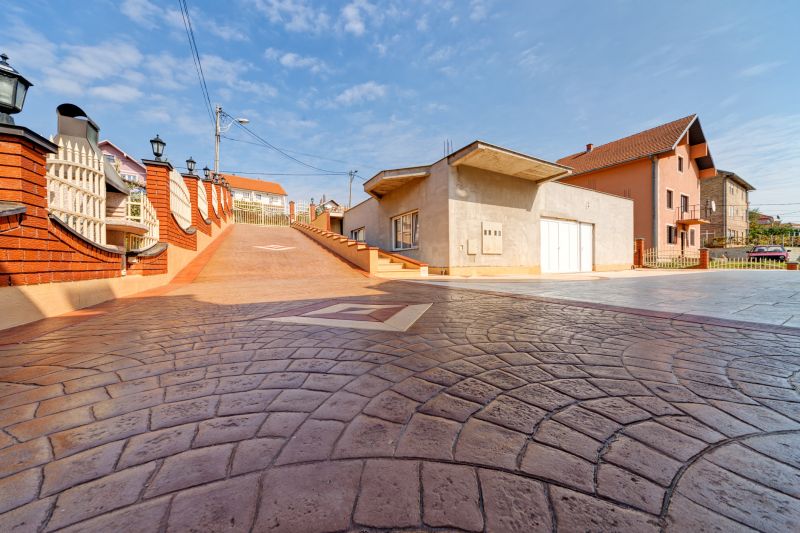
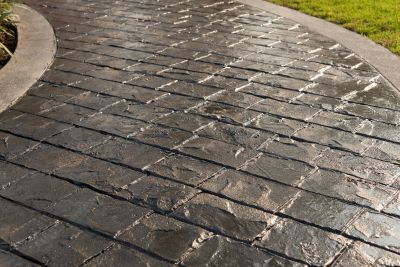
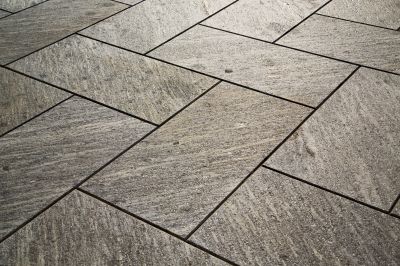
When people search for information about stamped concrete vs. pavers for commercial properties, they are often exploring options for improving outdoor spaces such as parking lots, walkways, patios, or entryways. These searches typically relate to planning or upgrading hardscape surfaces that need to withstand frequent use and heavy traffic. Property owners and managers may be considering these materials to enhance curb appeal, improve durability, or reduce maintenance costs. Understanding the differences between stamped concrete and pavers helps them make informed decisions about which material best aligns with their project goals, whether it’s for aesthetic appeal, longevity, or ease of installation. Local service providers specializing in commercial stamped concrete installation can offer valuable insights and expertise to help navigate these choices effectively.
The kinds of problems or plans associated with this topic often involve evaluating long-term performance and maintenance needs. For instance, property owners might want to know which material resists cracking, shifting, or staining over time. They may also be considering how the finished surface complements their overall property design or fits into a renovation plan. Commercial properties such as retail centers, office complexes, or industrial sites typically require durable, professional-grade solutions that can handle high traffic volumes. These projects often involve coordinating with local contractors who can provide guidance on the best material options and installation practices to ensure the finished surface meets both functional and visual expectations.
In terms of property types, stamped concrete and pavers are commonly used on larger commercial sites that demand a combination of durability and visual appeal. Parking lots, driveways, and outdoor seating areas are frequent candidates for these materials, especially when a polished, professional look is desired. Retail plazas and corporate campuses often choose stamped concrete for its ability to mimic more expensive materials like stone or brick at a lower cost, while pavers are favored for their ease of replacement and customization options. Local contractors experienced in commercial stamped concrete installation are well-versed in handling the specific demands of these property types, ensuring the chosen material performs well under heavy use and aligns with the property's aesthetic goals.
Understanding the strengths and limitations of stamped concrete vs. pavers for commercial properties helps property owners and managers make smarter decisions tailored to their specific needs. Local service providers can assist in assessing site conditions, traffic expectations, and design preferences to recommend the most appropriate solution. Whether prioritizing quick installation, minimal maintenance, or visual impact, these professionals bring valuable expertise to ensure the project’s success. Connecting with experienced contractors allows property owners to access the right materials and installation techniques, helping to achieve a durable, attractive, and functional outdoor space that supports the property's overall purpose.
Concrete stamping projects involve detailed surface preparation and patterning techniques similar to those used in stamped concrete for commercial properties, requiring skilled craftsmanship and planning.
Paving installation services focus on precise layout and material handling, paralleling the planning and execution processes involved in paver installations for commercial settings.
Hardscape design projects encompass a variety of surface materials and layouts, aligning with the considerations needed when choosing between stamped concrete and pavers for commercial spaces.
Surface finishing and sealing jobs relate to the protective coatings and treatments applied to stamped concrete and pavers, requiring expertise in surface preparation and application techniques.
Landscape paving projects involve planning and installing durable surfaces that complement outdoor commercial environments, similar to the planning involved in stamped concrete vs. pavers decisions.
Concrete repair and resurfacing services share skills in surface preparation and finishing, which are essential when maintaining or updating stamped concrete and paver areas in commercial properties.
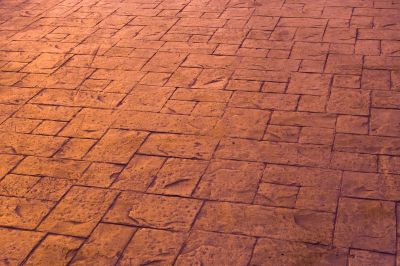
When evaluating contractors for stamped concrete vs. pavers for commercial properties, it’s important to consider their experience with similar projects. A seasoned service provider will have a portfolio of completed installations that align with the scale and style of the intended project. Homeowners should inquire about the types of commercial properties the contractor has worked on, ensuring they have a solid understanding of the specific demands and durability requirements involved. This experience can influence the quality of the finished product, as well as the longevity and performance of the installation.
Clear written expectations are essential to avoid misunderstandings and ensure the project aligns with the property owner’s vision. When comparing local contractors, it’s beneficial to review detailed proposals that outline the scope of work, materials to be used, and the timeline for completion. This transparency helps homeowners assess whether the contractor’s approach matches their needs and provides a basis for addressing any questions or concerns upfront. Well-documented expectations also facilitate smoother communication throughout the project, reducing the likelihood of surprises or disagreements.
Reputable references and strong communication skills are key indicators of a reliable service provider. Homeowners should seek out contractors who can provide references from previous commercial projects, especially those similar in size and scope. Speaking with past clients can offer insights into the contractor’s professionalism, adherence to schedules, and overall quality of work. Additionally, effective communication-whether through prompt responses or clear explanations-ensures that homeowners stay informed and involved throughout the installation process. Choosing a contractor who prioritizes transparency and maintains open lines of dialogue can contribute significantly to a successful project outcome.
Property owners often search for stamped concrete vs. pavers for commercial properties: pros and cons when they are planning practical projects around their homes and businesses. Local pros provide Commercial Stamped Concrete Installation services for everyday jobs and straightforward project options.
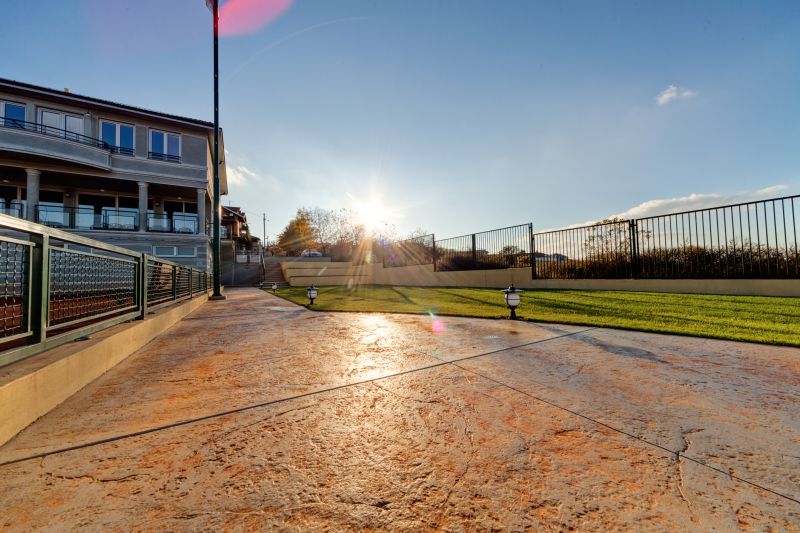
When property owners in the area explore options for enhancing commercial outdoor spaces, they often compare stamped concrete versus pavers for their durability, appearance, and maintenance needs. For busy business environments, stamped concrete offers a seamless surface that can mimic high-end materials like stone or brick, making it a popular choice for large walkways and patios. On the other hand, pavers are favored for their modular design, which can be easily repaired or replaced if damage occurs, reducing long-term upkeep concerns. Local contractors who specialize in commercial stamped concrete installation can help property owners weigh these practical considerations and choose the best solution for their specific project goals.
Many property owners look into stamped concrete versus pavers for commercial properties because they want a surface that balances visual appeal with functionality. Stamped concrete tends to provide a smooth, uniform finish that can be installed quickly, making it suitable for areas with high foot traffic. Pavers, however, offer a textured surface that can improve slip resistance and allow for better drainage, which is important in certain climates or locations. Local service providers can assist in evaluating these factors and recommend the right installation approach, ensuring the chosen material aligns with the property's usage and aesthetic preferences.
What are the durability differences between stamped concrete and pavers for commercial properties? Local contractors can provide insights on how stamped concrete and pavers withstand heavy foot and vehicle traffic, helping determine which option offers longer-lasting performance for commercial settings.
How do stamped concrete and pavers compare in terms of maintenance needs? Service providers can advise on the upkeep required for each material, including cleaning, repairs, and replacements, to keep commercial surfaces in optimal condition.
Are stamped concrete or pavers more versatile in design options for commercial properties? Local pros can showcase the variety of patterns, colors, and textures available with each material, aiding in selecting a style that complements the property's aesthetic.
Which material offers better slip resistance for commercial walkways and outdoor areas? Contractors can assess the slip-resistant qualities of stamped concrete versus pavers, ensuring safety standards are met for pedestrians and vehicles.
What are the installation considerations for stamped concrete and pavers in commercial projects? Service providers can explain the installation process, site preparation, and suitability of each option based on the specific needs of a commercial property.
Durability Considerations - Property owners can evaluate whether stamped concrete or pavers better withstand heavy foot traffic and vehicle loads in high-traffic commercial areas by consulting local contractors.
Design Flexibility - Using stamped concrete services allows for customized patterns and colors that can match branding or aesthetic themes for a professional outdoor space.
Installation and Repair - Understanding the installation process and ease of repair for each option helps owners plan for future maintenance needs with the help of experienced service providers.
Cost and Longevity - Comparing the long-term costs and lifespan of stamped concrete versus pavers enables property managers to choose a solution that balances initial investment and durability.
If you are thinking about stamped concrete vs. pavers for commercial properties: pros and cons for a property, this guide is meant to help you understand this topic, the typical project types, and how different options might fit your plans.
When you are ready, you can use the quote form on this page to share a few details about your project. From there, local pros can review the basics and follow up with options that match what you have in mind.